
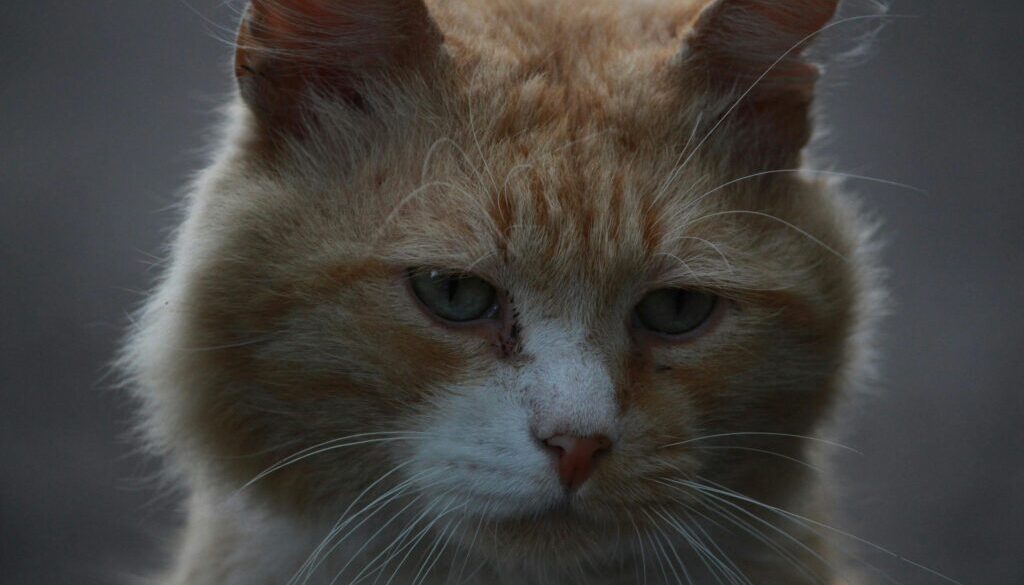
How Cats Grieve – Understanding Loss and Change from a Feline Perspective
Cats are often thought of as mysterious, self-contained creatures. Yet anyone who has lived alongside them knows they form bonds as deep and tender as our own. When something in their world changes — the loss of a companion, the absence of a beloved human, even the quiet fading of familiar routines — cats can feel it profoundly. Grief in cats is real, though it may look different from our own.
This post explores how cats grieve, the signs to look for, and gentle ways to help them — and ourselves — through the process.
Do Cats Really Grieve?
While science can’t ask a cat how it feels, research and countless observations suggest they experience something very close to grief. Cats build attachments not just to people but to fellow animals and the rhythms of daily life. When that bond is broken, they notice.
You may have seen it: a cat wandering the house, pausing to sniff a bed that still holds a faint scent of their companion. Or sitting by the door at the usual time their human used to return. These are not random quirks — they are the small, poignant signs of missing someone.
Signs of Grief in Cats
Each cat expresses grief differently, but there are some common threads:
-
Behavioural changes: withdrawal, hiding more than usual, searching behaviour, or louder, more frequent vocalisations.
-
Physical signs: loss of appetite, sleeping more than usual, or sometimes restless pacing.
-
Subtle cues: staring at a window or doorway, avoiding certain favourite spots, or clinging more tightly to you.
Because cats are masters at masking discomfort, it can be easy to miss these shifts unless you know to watch for them.
How Long Does Cat Grief Last?
There’s no fixed timeline. Some cats seem subdued for a few weeks, others for months. Age, temperament, and environment all play a role. A young, playful cat may adapt more quickly than an older one who has shared years of quiet companionship with a sibling or human.
The important thing to remember is that grief isn’t a sign of weakness — it’s a sign of love.
Supporting a Grieving Cat
While you can’t take their sadness away, you can make the path gentler.
-
Keep routines steady: feeding, playtime, and bedtime rituals offer a sense of safety.
-
Offer affection on their terms: some cats crave closeness; others need space. Let them choose.
-
Provide enrichment: toys, new climbing spots, or even a cardboard box can spark curiosity and slowly rekindle joy.
-
Think carefully before introducing another pet: sometimes companionship helps, but too soon can overwhelm a grieving cat.
When to Seek Help
If grief seems to be tipping into something more serious — refusal to eat for more than 24–48 hours, weight loss, signs of illness, or ongoing withdrawal — it’s time to involve a vet. Sometimes medication or behavioural support is needed, especially if stress has triggered physical problems.
Helping Yourself Cope Too
As humans, we often grieve alongside our cats. We feel their absence, and we also ache watching them search for someone who is no longer there. The truth is, healing is often a shared journey. Creating new routines together, lingering in moments of affection, and simply being present for one another can be deeply comforting.
Conclusion
Cats grieve because they love. Their silence, their searching, their small shifts in behaviour are the echoes of bonds that mattered. With patience, empathy, and gentle care, most cats adapt and find their way back to peace. And as they do, they remind us that grief, though painful, is also a testament to connection — and that in time, love reshapes itself into something enduring.